In recent years, choosing to use paper bags has become a significant conversation. It's almost as polarizing as politics and religion. The paper versus plastic bag discussion touches on environmental, economic, and health aspects. As we check out of our local grocery stores, the absence of paper bags becomes a curious point of reflection. Let's dive into the complicated world of paper bags, answering common questions and explaining why having or not having them around is important.
Why Don't Grocery Stores Use Paper Bags Anymore?
Mostly the reason grocery stores are moving away from paper bags is because they are more expensive and don't last as long. Plastic bags are better for retailers because they are lighter, cheaper to purchase, and take up less room. Plastic bags are also more likely to last longer when used than paper bags because they can hold more weight without breaking, ripping or tearing.
Are Paper Bags Expensive?
Paper bags do cost more than plastic bags most of the time. This is because they cost more to make because of the chemicals and energy needed to make and ship them. Stores have started using plastic bags more often because they are cheaper than paper bags.
What Are the Brown Paper Bags Called?
The brown paper bags commonly seen in grocery stores and markets are known as kraft paper grocery bags. The term "kraft" comes from the German word for strength, referring to the strong and durable nature of the paper made through the kraft process.
What Is the Problem with Paper Bags?
Even though paper bags are better for the earth, they do have some problems. In order to be made, they need a lot of water and energy, and more climate gases are released during production. They can't be used over and over like plastic bags because they tear easily and don't keep water out.
Why Are Paper Bags Expensive?
The cost of paper bags comes from the materials and labor used to make them. It takes a lot of energy to turn wood into paper, and the materials (wood and water) are more expensive than other products..
What Are the 3 Disadvantages of Paper Bags?
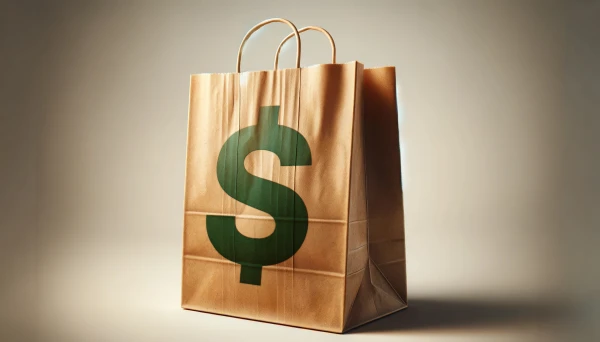
- Resource Intensive Production: Manufacturing paper bags requires significant amounts of water and energy.
- Greenhouse Gas Emissions: The production process emits more greenhouse gases than manufacturing plastic bags.
- Limited Durability: Paper bags are less durable and reusable compared to plastic bags, often leading to a shorter lifespan and potentially higher consumption.
What Is the Lifespan of a Paper Bag?
The lifespan of a paper bag is typically shorter than that of a plastic bag. A single-use paper bag might only last for the duration of one shopping trip before it tears or becomes damaged by moisture.
What Is the Most Popular Paper Bag?
The standard shopping bag with handles is the most common type of paper bag because it can be used for many things and is strong. It's made to take a lot of different things and is durable while also being good for the environment.
Why Did We Switch from Paper to Plastic Grocery Bags?
People switched from paper bags to plastic bags because plastic bags were cheaper, lighter, and stronger. Plastic bags take up less room in storage and at the register, which is helpful for both customers and stores.
Why Are Grocery Stores Charging for Paper Bags?
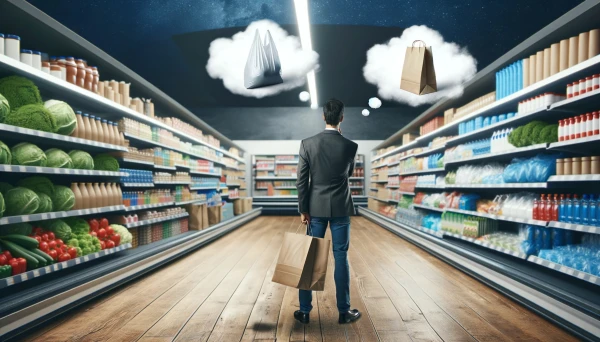
Charging for paper bags is a strategy to encourage customers to bring their own reusable bags, reducing waste and environmental impact. This approach also helps offset the higher costs associated with providing paper bags.
Should Everyone Use Paper Bags?
The choice to use paper bags isn't cut and dry. While paper may seem the more environmentally friendly option, the best choice is reusable bags made from durable materials. While paper bags are more taxing on our environment, that isn't necessarily the true picture it really comes down to being better educated and taking personal responsibility.